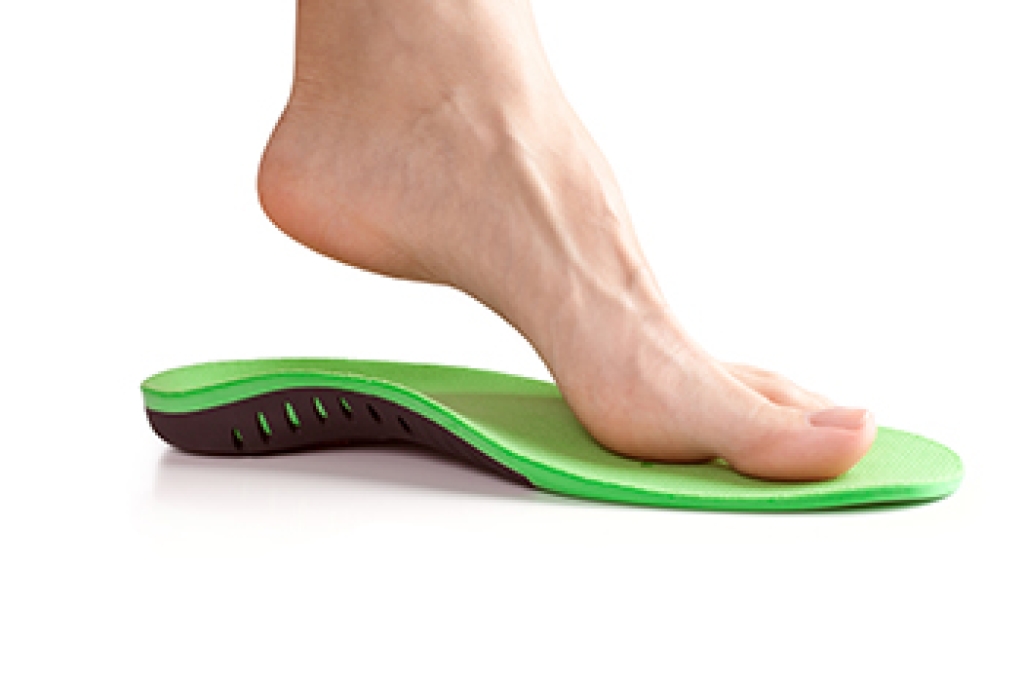
Causes of Diabetic Foot Ulcers

Diabetic foot ulcers are open sores that develop on the feet of individuals with diabetes, often forming on pressure points such as the heels or toes. These wounds progress through stages, beginning as redness or skin breakdown and advancing to deeper tissue involvement, if not treated. Causes include poor blood sugar control, neuropathy that reduces sensation, blood flow problems that slow healing, and improper shoes that create friction or pressure. Without proper care, ulcers can worsen and lead to serious complications. A podiatrist can help by assessing the wound, removing damaged tissue, improving pressure distribution, and guiding proper foot care to support healing. If you have diabetes and notice any signs of a foot ulcer, it is strongly suggested that you promptly schedule an appointment with a podiatrist who can help you to manage this serious condition.

Diabetic foot care is important in preventing foot ailments such as ulcers. If you are suffering from diabetes or have any other concerns about your feet, contact one of our podiatrists from Pima Foot and Ankle Surgery. Our doctors can provide the care you need to keep you pain-free and on your feet.

Diabetic Foot Care

Diabetes affects millions of people every year. The condition can damage blood vessels in many parts of the body, especially the feet. Because of this, taking care of your feet is essential if you have diabetes, and having a podiatrist help monitor your foot health is highly recommended.

The Importance of Caring for Your Feet

  • Routinely inspect your feet for bruises or sores.
  • Wear socks that fit your feet comfortably.
  • Wear comfortable shoes that provide adequate support.

Patients with diabetes should have their doctor monitor their blood levels, as blood sugar levels play such a huge role in diabetic care. Monitoring these levels on a regular basis is highly advised.

It is always best to inform your healthcare professional of any concerns you may have regarding your feet, especially for diabetic patients. Early treatment and routine foot examinations are keys to maintaining proper health, especially because severe complications can arise if proper treatment is not applied.

If you have any questions, please feel free to contact our offices located in . We offer the newest diagnostic and treatment technologies for all your foot care needs.

Read more about Diabetic Foot Care

Understanding Newborn Foot Development

Newborn feet can look unusual at first, and much of this comes from how the baby was positioned in the womb. Some infants have feet that curve inward, called metatarsus adductus, which often improves naturally as they begin to move and grow. Others may appear flat-footed because the arch has not yet formed. Occasionally, a foot may point upward or downward due to soft tissues still adjusting after birth. Most of these early differences resolve over time with gentle movement and normal development, but some may benefit from closer observation. A podiatrist can evaluate flexibility, check alignment, and offer guidance to support healthy growth. If your newborn’s feet look unusual or if you notice little improvement as they grow, it is suggested that you see a podiatrist for proper evaluation and reassurance.

Congenital foot problems require immediate attention to avoid future complications. If you have any concerns, contact one of our podiatrists of Pima Foot and Ankle Surgery. Our doctors can provide the care you need to keep you pain-free and on your feet.

Congenital foot problems are deformities affecting the feet, toes, and/or ankles that children are born with. Some of these conditions have a genetic cause while others just happen. Some specific foot ailments that children may be born with include clubfeet, polydactyly/macrodactyly, and cleft foot. There are several other foot anomalies that can occur congenitally. What all of these conditions have in common is that a child may experience difficulty walking or performing everyday activities, as well as trouble finding footwear that fits their foot deformity. Some of these conditions are more serious than others. Consulting with a podiatrist as early as possible will help in properly diagnosing a child’s foot condition while getting the necessary treatment underway.

What are Causes of Congenital Foot Problem?

A congenital foot problem is one that happens to a child at birth. These conditions can be caused by a genetic predisposition, developmental or positional abnormalities during gestation, or with no known cause.

What are Symptoms of Congenital Foot Problems?

Symptoms vary by the congenital condition. Symptoms may consist of the following:

  • Clubfoot, where tendons are shortened, bones are shaped differently, and the Achilles tendon is tight, causing the foot to point in and down. It is also possible for the soles of the feet to face each other.
  • Polydactyly, which usually consists of a nubbin or small lump of tissue without a bone, a toe that is partially formed but has no joints, or an extra toe.
  • Vertical talus, where the talus bone forms in the wrong position causing other bones in the foot to line up improperly, the front of the foot to point up, and the bottom of the foot to stiffen, with no arch, and to curve out.
  • Tarsal coalition, when there is an abnormal connection of two or more bones in the foot leading to severe, rigid flatfoot.
  • Cleft foot, where there are missing toes, a V-shaped cleft, and other anatomical differences.
  • Macrodactyly, when the toes are abnormally large due to overgrowth of the underlying bone or soft tissue.

Treatment and Prevention

While there is nothing one can do to prevent congenital foot problems, raising awareness and receiving neonatal screenings are important. Early detection by taking your child to a podiatrist leads to the best outcome possible.

If you have any questions, please feel free to contact our offices located in . We offer the newest diagnostic and treatment technologies for all your foot care needs.

Read more about Congenital Foot Problems

Heel Pain Can Be Treated!

Do you suffer from heel pain when you get up in the morning? If so, you should seek professional help and have a proper diagnosis performed. Heel pain can be caused by several different foot-related conditions.

Recovering After Ankle Fracture Surgery

Ankle fracture surgery is sometimes needed when the bones are not in the right position to heal on their own. The goal is to realign the joint so it can regain strength, stability, and comfortable movement. After surgery, the ankle is usually protected in a cast or boot while the bone begins to mend. Swelling, bruising, and stiffness are common at first, but these improve with time, rest, and guided activity. As healing progresses, gentle targeted exercises help restore motion and confidence with walking. Wearing supportive footwear and careful weight-bearing also play important roles in the recovery process. Paying attention to discomfort, keeping follow up appointments, and following instructions closely all help ensure the best outcome. If you have concerns about a recent ankle surgery or your recovery, it is suggested that you schedule an appointment with a podiatrist for proper guidance.

Broken ankles need immediate treatment. If you are seeking treatment, contact one of our podiatrists from Pima Foot and Ankle Surgery. Our doctors can provide the care you need to keep you pain-free and on your feet. 

Broken Ankles
A broken ankle is experienced when a person fractures their tibia or fibula in the lower leg and ankle area. Both of these bones are attached at the bottom of the leg and combine to form what we know to be our ankle.

When a physician is referring to a break of the ankle, he or she is usually referring to a break in the area where the tibia and fibula are joined to create our ankle joint. Ankles are more prone to fractures because the ankle is an area that suffers a lot of pressure and stress. There are some obvious signs when a person experiences a fractured ankle, and the following symptoms may be present.

Symptoms of a Fractured Ankle

  • Excessive pain when the area is touched or when any pressure is placed on the ankle
  • Swelling around the area
  • Bruising of the area
  • Area appears to be deformed

If you suspect an ankle fracture, it is recommended to seek treatment as soon as possible. The sooner you have your podiatrist diagnose the fracture, the quicker you’ll be on the way towards recovery.

If you have any questions, please feel free to contact our offices located in . We offer the newest diagnostic and treatment technologies for all your foot care needs.

Read more about All About Broken Ankle

What You Should Know About Peripheral Artery Disorders

Peripheral artery disorders occur when circulation to the legs and feet becomes restricted because the arteries have narrowed or hardened. As blood flow decreases, the muscles and skin do not receive enough oxygen, leading to cramping during activity, fatigue in the calves, or a heavy feeling that improves with rest. Some people notice their feet feel cooler than usual or see wounds taking much longer to heal. These circulation problems often develop gradually and are influenced by aging, smoking, diabetes, high cholesterol, and high blood pressure. Recognizing the early signs matters because untreated poor circulation can lead to infections or chronic ulcers. With proper diagnosis, treatment options can improve comfort and help protect long-term mobility. If you notice persistent foot discomfort, numbness, or slow-healing sores, it is suggested that you see a podiatrist for an evaluation and appropriate care.

Peripheral artery disease can pose a serious risk to your health. It can increase the risk of stroke and heart attack. If you have symptoms of peripheral artery disease, consult with one of our podiatrists from Pima Foot and Ankle Surgery. Our doctors will assess your condition and provide you with quality foot and ankle treatment.

Peripheral artery disease (PAD) is when arteries are constricted due to plaque (fatty deposits) build-up. This results in less blood flow to the legs and other extremities. The main cause of PAD is atherosclerosis, in which plaque builds up in the arteries.

Symptoms

Symptoms of PAD include:

  • Claudication (leg pain from walking)
  • Numbness in legs
  • Decrease in growth of leg hair and toenails
  • Paleness of the skin
  • Erectile dysfunction
  • Sores and wounds on legs and feet that won’t heal
  • Coldness in one leg

It is important to note that a majority of individuals never show any symptoms of PAD.

Diagnosis

While PAD occurs in the legs and arteries, Podiatrists can diagnose PAD. Podiatrists utilize a test called an ankle-brachial index (ABI). An ABI test compares blood pressure in your arm to you ankle to see if any abnormality occurs. Ultrasound and imaging devices may also be used.

Treatment

Fortunately, lifestyle changes such as maintaining a healthy diet, exercising, managing cholesterol and blood sugar levels, and quitting smoking, can all treat PAD. Medications that prevent clots from occurring can be prescribed. Finally, in some cases, surgery may be recommended.

If you have any questions, please feel free to contact our offices located in . We offer the newest diagnostic and treatment technologies for all your foot care needs.

Read more about Peripheral Artery Disease
scroll to top